TOP 5 Heat Sinks TOP 5 Low Profile Heat Sinks TOP 5 Liquid Coolers
Heatsinks by Brand / Mfgr Reviews + Articless Advanced Search
|
TOP 5 Heat Sinks TOP 5 Low Profile Heat Sinks TOP 5 Liquid Coolers Heatsinks by Brand / Mfgr Reviews + Articless Advanced Search |
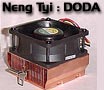
All things considered the Neng Tyi P366 faired above average, but not better than the reference Thermaltake Superorb. It's a substantially smaller heatsink then the SuperOrb and with only one fan so this is kind of expected. But, since Kyle gave us a hard time once about not comparing results with top of the line heatsinks we, through it in ;-) The closest comparison to the Neng Tyi P366 copper heatsink comes from the remaining heatsinks, which are of bonded fin construction of one form or another. The Ascent is a typical aluminum folded fin design, and does rather poorly. The Thermalbuster tags very close in performance with that of the Neng Tyi P366 but always remains a few degrees in the rear, especially in the all important small copper die template test. Only the Coolermaster was able to just ahead in that category, probably due to the size of the dead air zone under the massive YS Tech fan on the P366.
The results reiterate themselves when we look at the temperature increases above the ambient. While the Neng Tyi P366 faired very well in tests with the large copper die template, coming in only three degrees warmer than the SuperOrb, its' results with the smaller copper die template were less than expected.
|
 |
|
| |||||||||||||||||||||||||||||||||||||||||||||||||||||||||||||||||||||||||||||||||||||||||||||||||||||||||||||||||||||||||||||||||||||||||||||
|
Find a Heatsink . Latest Heatsink Reviews . Top 5 Heatsinks Tested . Top 5 Low Profile Heatsinks . Top 5 Liquid Coolers . Heatsinks by Mfgr / Brand |
Social Media |
FrostyTech.com Info . Feedback . Contact Us / Heatsink Submissions . Submit News . Privacy Policy |
 | |
© Copyright 1999-2025 www.frostytech.com All Rights Reserved. Privacy policy and Terms of Use Images © FrostyTech.com and may not be reproduced without express written permission. Current students and faculty of accredited Universities may use Frostytech images in research papers and thesis, provided each image is attributed. | ||||